

What Is Empty Nest Syndrome? Signs, Feelings and Strategies to Help
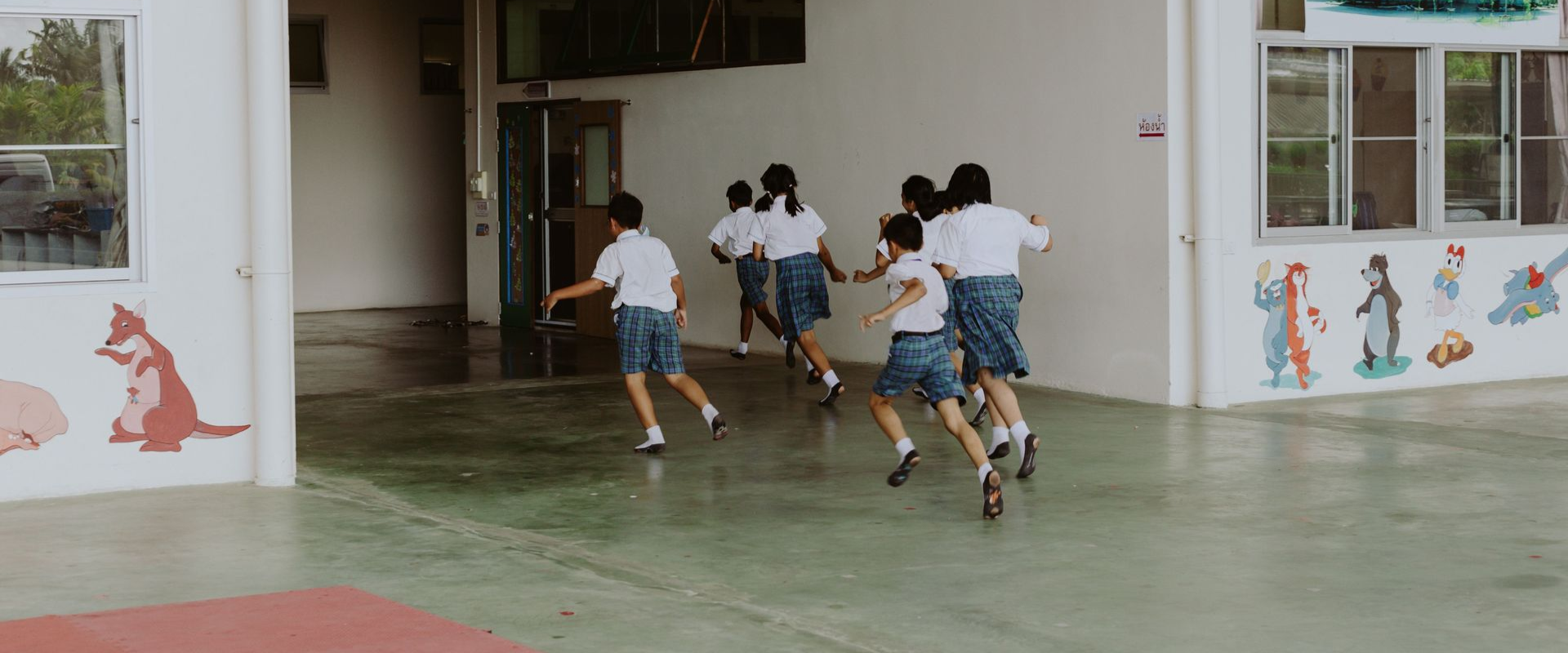
The youngest of my daughters leaves school this summer, and it really does feel like the end of an era. Twenty-two years of school runs, parents' evenings, packed lunches, exams, uniforms and calendars built around school terms.
Like many parents reaching this milestone, I've experienced a mixture of emotions. There's huge relief because the school years were hard for all three of my children (in different ways), but there's also sadness too, at how quickly it all passed. One minute they were small, and now they're young adults beginning lives of their own.
However, what has surprised me most was that I’ve actually started to feel inspired. I'm excited about discovering new ways to be genuinely useful to others, and to myself. I'm curious about what this next chapter could look like, while also sitting with the question:
Who am I outside of being a mum?
If you've found yourself asking similar questions, you may be experiencing what's commonly known as empty nest syndrome.
What is Empty Nest Syndrome?
Empty nest syndrome isn't a medical condition; it's the emotional transition many parents experience when their children become independent and leave home.
For years, your role has been clear. Your days have revolved around caring for your family, solving problems, offering support and being needed by your children. As they get older and more independent, things begin to change: they don't need you in quite the same way, your routines shift, and you may find yourself wondering who you are outside of your role as ‘mum’.
People often tell you that raising children goes by in the blink of an eye, but when they're finally leaving home, nothing can prepare you for what that actually feels like. It’s not necessarily that you stop being a parent (you never do), but the role you've lived every day for decades begins to change.
For me, it feels a bit like grief, but not in the usual sense. It's more mourning a version of me whose role always felt clear, significant and unquestioned. And while that has certainly felt unsettling, it also creates space for something new.
Signs and Symptoms of Empty Nest Syndrome
Everyone experiences empty nest syndrome differently, but some of the most common feelings include:
- Feeling sad or grieving a chapter of life that's ending.
- A loss of purpose or identity now that your children are more independent.
- Wondering what your role is now.
- Feeling less needed than you once were.
- Anxiety about getting older or becoming irrelevant.
- Feeling uncertain about what comes next.
- Missing the daily routines of family life.
- Feeling guilty about enjoying your new freedom while also feeling emotional about it.
- A growing desire to reconnect with yourself and discover what you want from this next stage of life.
You might even feel conflicted by your emotions. Perhaps you're relieved that the busy school years and daily routines are behind you, yet you miss them deeply. These emotions can exist together.
How to Navigate Empty Nest Syndrome
Although empty nest syndrome can feel overwhelming, it can also become an opportunity to rediscover yourself and create a fulfilling new chapter. There isn't a right or wrong way to adjust, but these strategies may help.
1. Give yourself permission to feel sad
Many parents feel guilty for struggling when their children are excited about the next stage of their lives. But it's completely normal to experience conflicting emotions, feeling proud, relieved, excited, sad and anxious all at once.
Rather than telling yourself you should feel a certain way, simply acknowledge what you're experiencing. This chapter of your life mattered, so it's natural to grieve its ending while also looking forward to what's next.
Acceptance is a huge part of moving through this transition. The more we allow ourselves to feel our emotions rather than resist them, the easier it becomes to embrace what lies ahead.
2. Focus on what you're gaining, not what you're losing
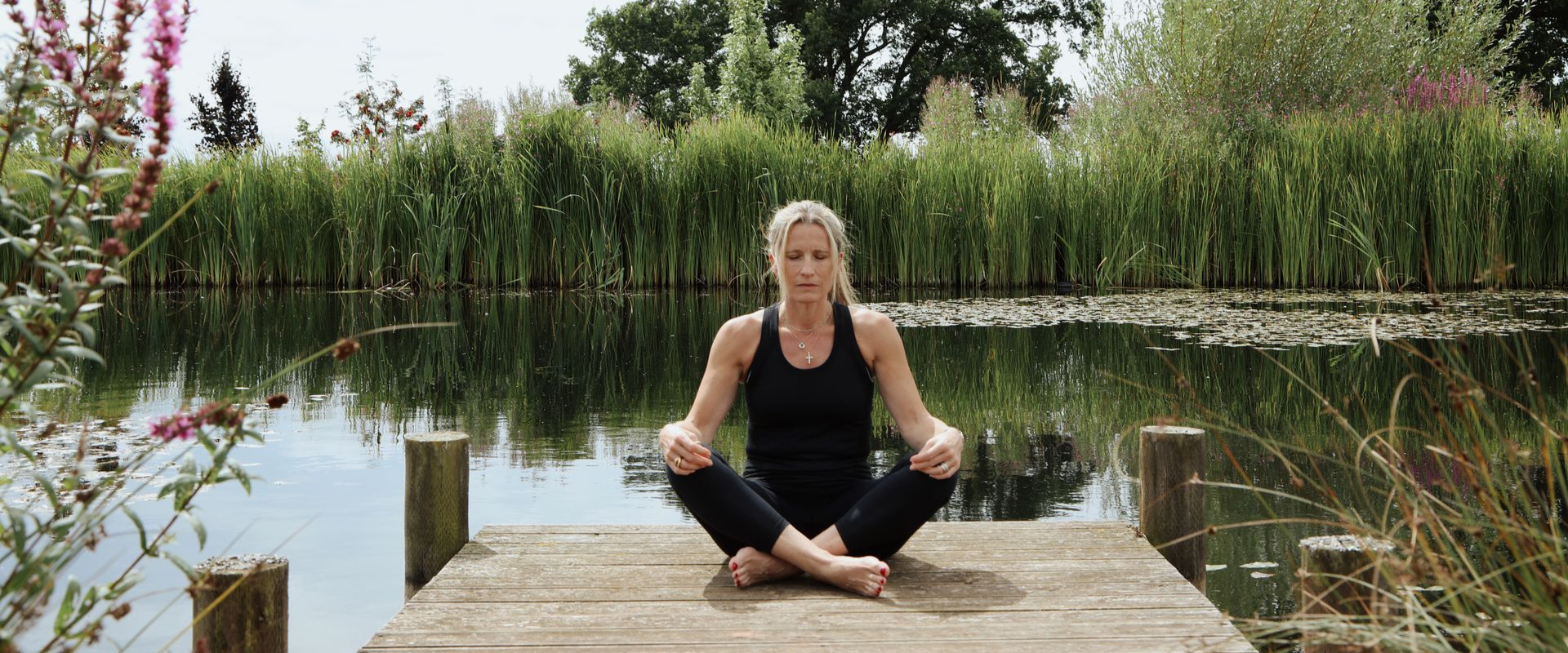
When your children leave home, it's easy to focus on the loss you feel. But what if you looked at it differently? Instead of seeing the empty nest as something negative, try seeing it as the beginning of a new phase of life. Parenting hasn't ended; it has simply evolved.
The next time you feel negative thoughts creeping in, try to shift your mindset towards asking: "What have I achieved, and how can I use everything I've learnt in this next chapter?"
The years you've spent raising your children have given you resilience, patience, perspective, compassion and life experience that can now be channelled into something new. For example, what opportunities do you have now that you didn’t before?
3. Rediscover who you are outside of being a parent
For many women, this is the first time in decades they've had the space to think about themselves. After years of putting everyone else's needs first, it's easy to lose sight of what brings you joy.
Ask yourself:
- What do I enjoy?
- What gives me energy?
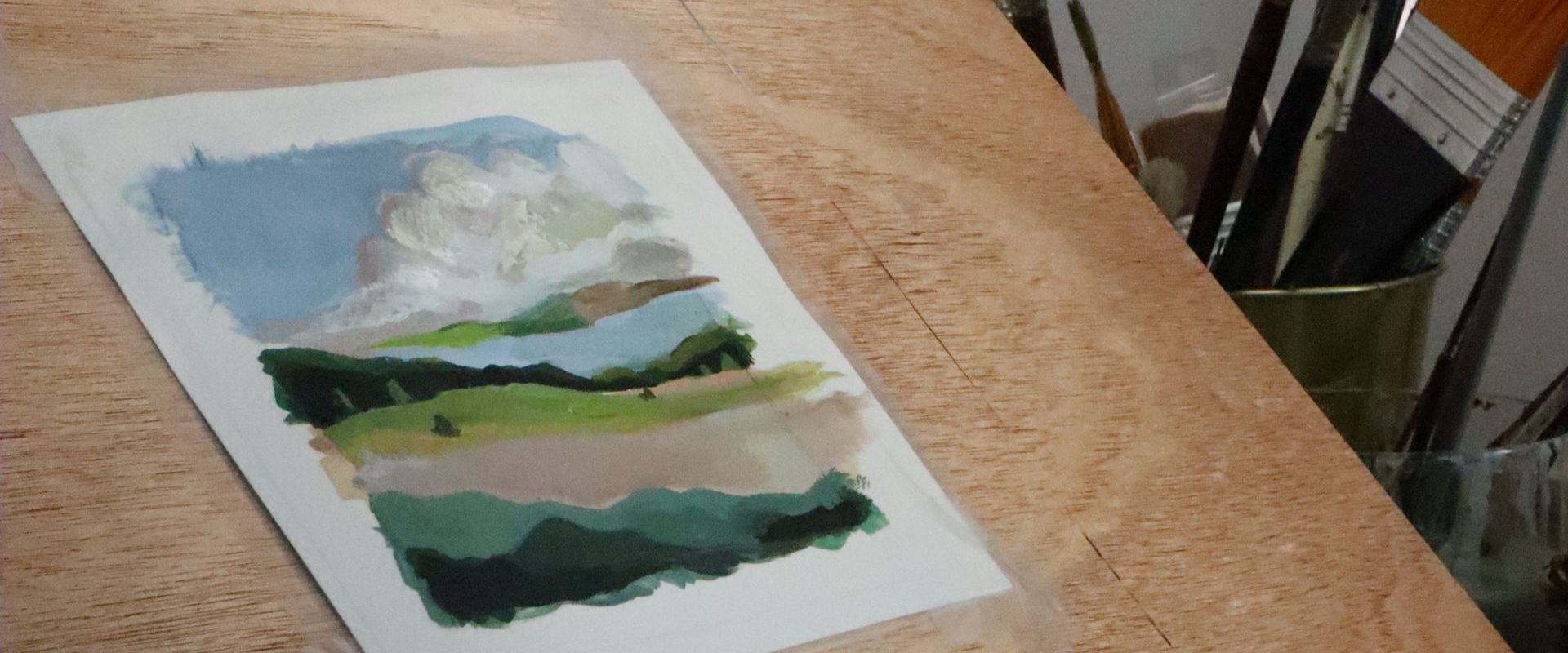
- What would I like to learn? (For example, I’ve just taken up painting, something I’ve always wanted to do!)
- Is there a dream I put on hold because I didn't have the time?
- Who do I want to become in this next stage of life?
Many of us stopped doing things we loved because our energy was focused on raising our families. Perhaps there was a hobby you gave up, a business idea you never explored, a place you always wanted to visit or a skill you always wanted to learn.
4. Invest in yourself again
When you've spent decades caring for everyone else, it's easy for your own wellbeing to slip down the priority list. This next chapter is an opportunity to invest in yourself again.
That might mean:
- Prioritising your physical health
- Exercising more regularly
- Eating well and looking after your body
- Learning something new
- Travelling
- Joining a class
- Spending more time outdoors
- Making time for things that genuinely make you feel alive
Just because we're getting older doesn't mean our lives, or our bodies, have to go downhill. In fact, this can be the perfect time to build healthier habits, discover new passions and look after yourself with the same care you've spent years giving to everyone else.

5. Let your relationships evolve
One of the hardest parts of empty nest syndrome is accepting that your relationship with your children is changing. As parents, we're here to love, guide and support our children, but they aren't our possessions. They're their own unique individuals, and our role has always been to help them grow into independent adults.
As difficult as it can be, watching them flourish is actually one of the greatest rewards of parenthood; it’s as simple as giving them the space to build their own lives, while reminding them you’re there when they need you. Over time, many parents discover that the relationship becomes less about caring for their children and more about enjoying them as adults.
At the same time, this new chapter often creates space to strengthen other relationships too. If you have a partner, you may suddenly find yourselves with more time together than you've had in years. It can be an opportunity to rediscover shared interests, enjoy new experiences together, or simply reconnect without the usual family routines. The same goes for friendships and extended family; it’s a chance for these other meaningful relationships to evolve.
Final Thoughts
While it’s easy to focus on the empty nest as a loss, it’s so important that we try to shift that mindset into growth and opportunity. This is a wonderful moment to focus on you. Your children are now away building their own independent lives, which gives you the time to continue building yours.
As I’m going through this myself for the first time, I don’t have all the answers yet. But I do have a list of things I've always wanted to do, places I've always wanted to explore and parts of myself I'd like to rediscover.
So if you find yourself in a similar position, I'd encourage you to ask yourself one simple question:
What do I want this next stage of my life to mean…for me?

BOOKING AN APPOINTMNET
Please fill out the form and I will be in touch to discuss your requirements and the different coaching packages I offer.
*Payment plans available
I look forward to being a part of your journey to transform your life!