
What Is Breathwork? Simple Ways to Feel Calmer Every Day
Day-to-day life is busy sometimes, and we all know the feeling of lying awake at night as your mind races through everything that’s happened that day (and your to-do list for tomorrow). If I’ve had a particularly full-on day, I sometimes even notice my breathing becoming quicker or shallower. It's one of the ways my body tells me I'm feeling stressed or overwhelmed.
In these moments, breathwork is my secret weapon! When my mind won't switch off, it’s a tool I have with me at all times that can help me pause and reset. Best of all, it’s simple, free and accessible to almost everyone. You don't need special equipment, hours of spare time or years of meditation experience to get started. It’s really just about taking a few minutes to pay attention to your breathing and reconnect with yourself.
So what is breathwork, and how can you start using it in everyday life?
What Is Breathwork?
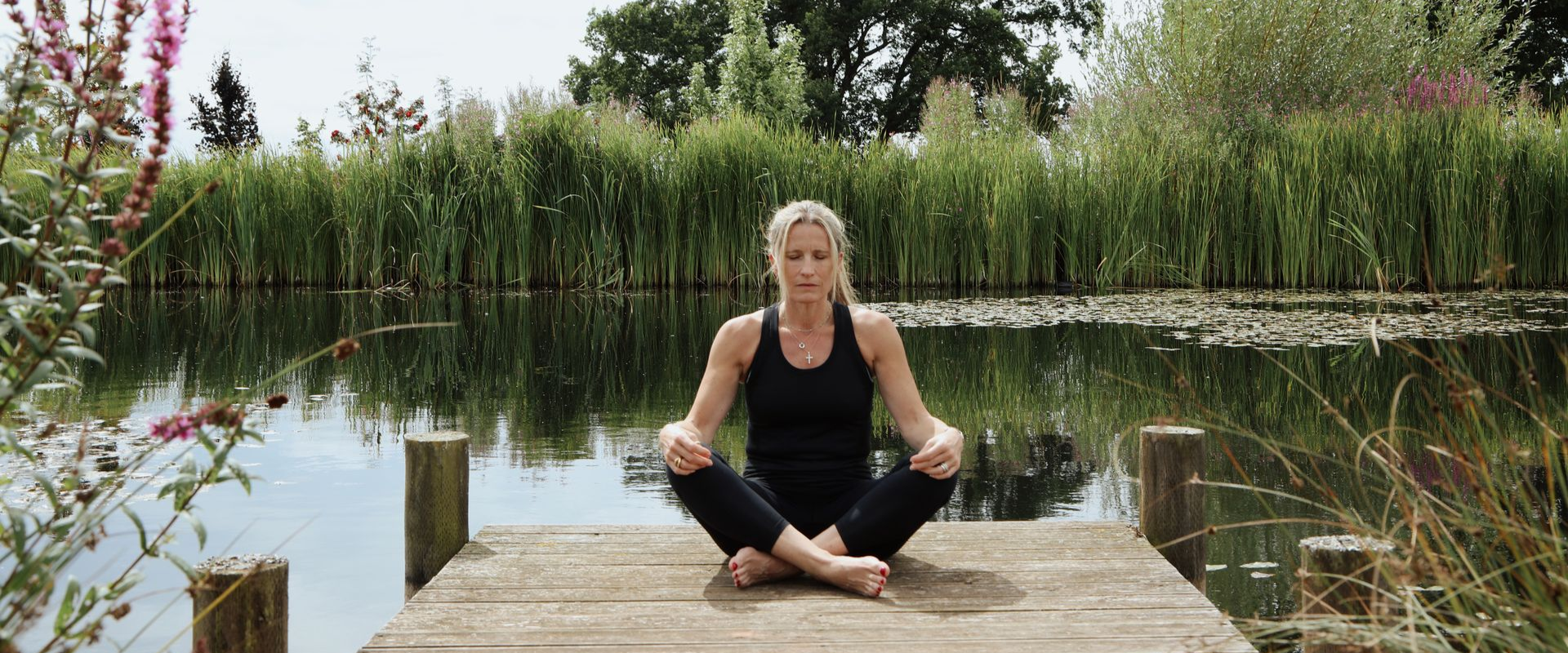
Breathwork is the practice of consciously paying attention to and changing your breathing pattern. This might mean slowing your breathing down, making your exhales a little longer or following a guided breathing exercise.
When we're stressed, our breathing can become faster and shallower as part of the body's natural stress response. By gently slowing our breathing, we can help our body settle and feel calmer. It’s also a way to bring your attention back to the present moment (which is exactly why I use it when I’m lying awake at night; it stops me from getting caught up in tomorrow's to-do list!).
Here’s a simple breathwork exercise you can try at home, almost anywhere, whether you’re sitting at your desk or getting ready for bed:
- 1. Get comfortable. Sit in a chair with your feet on the floor, or lie down somewhere you can relax.
- 2. Notice your natural breathing. Before changing anything, pay attention to the air moving in and out of your body.
- 3. Breathe in gently. Breathe in through your nose for a count of four, if that feels natural.
- 4. Breathe out slowly. Breathe out for a comfortable count of four, without forcing or holding your breath.
- 5. Continue for two to five minutes. Keep your breathing smooth and relaxed. Sometimes I find that counting can feel distracting, so I’ll try to focus on a gentle, steady rhythm.
- 6. Take a moment afterwards. Notice how you feel, come back to the present, and reconnect with yourself.
If you feel a bit woozy, breathless or uncomfortable, stop and return to your normal breathing. You don't need to take deep breaths or push yourself to follow a particular rhythm. The most important thing is to find an approach that feels comfortable for you!

Benefits of Breathwork
1. It Can Help You Manage Stress
Stress is a normal part of life, but when it becomes constant, it can be difficult to switch off. You might feel tense, irritable or overwhelmed, or find yourself moving from one task to the next without ever feeling as though you've had a proper break.
Breathwork gives you an opportunity to interrupt that cycle, and you can do it anywhere and anytime! Take a moment to practice slow, controlled breathing, and you’ll find you immediately feel a little bit more relaxed.
Try this: The next time you feel tension building, whether it's between meetings, after a difficult conversation, or at the end of a busy day, take 2-3 minutes to practice slow, controlled breathing. Try to make this a regular habit that you can build into your daily routine.

2. Breathwork Can Help You Wind Down Before Sleep
Sometimes, when we finally get into bed at the end of the day, we can begin to replay conversations, overthink the day’s events, or worry about what the next day will bring. When my mind races like this, I often struggle to get to sleep, and when I do, I feel like my sleep is broken or disturbed throughout the night. While you can’t really force yourself to stop thinking, you can interrupt those relentless negative thoughts with breathwork.
Try this: As you lie in bed, let each exhale be slow and unforced. You aren't trying to eliminate every thought; you're just giving your mind something simple to return to when it starts to wander. You may not fall asleep immediately, and that's okay. The aim is to give yourself a calm moment rather than put pressure on yourself (as this will just make you worry more!).
3. Reconnecting with Yourself
As women, we spend so much time focusing on work, family, responsibilities and what other people need from us that we forget to check in with ourselves. This can become particularly noticeable during periods of change in midlife. Perhaps your children are growing up, your priorities are shifting, or you're starting to question what you want from the next chapter of your life.
Taking a few minutes to breathe gives you a chance to slow down and notice how you're actually feeling. You might realise you're tired, carrying tension or simply in need of a break. Over time, these small pauses can help you become more aware of what you need.
That’s what I love about breathwork; it’s not necessarily about fixing a problem, but it creates a beautiful moment of space to listen to yourself in a busy day.
Try this: Put your phone away, turn off the TV, and find a quiet corner of your home or work. Breathe comfortably and ask yourself:
How am I feeling today? What do I need more of this week?

Make Breathwork Part of Your Routine
What’s great about breathwork is that it’s not a big time commitment. Start small with just 5 minutes before bed, and if you see positive results, start to build it into your daily routine (a pocket of calm for yourself).
If you want a little guidance on your breathwork journey, I’ve created a Sunday evening ritual called The Quiet Mind. A small group of us meet every week on Sunday evening to practice breathwork, release tension, and reconnect with ourselves before the week ahead.
Each 45-minute online session combines:
- Guided breathwork to help you slow down and settle.
- Meditation to bring your attention back to the present.
- Visualisation to give yourself space to reflect and reset.
You don't need any previous experience, and there's no pressure to get everything right. It's simply time set aside for you. Sessions are recorded, too, so you can catch up if you can't join live.
Breathe. Be. Begin again.

BOOKING AN APPOINTMENT
Please fill out the form and I will be in touch to discuss your requirements and the different coaching packages I offer.
*Payment plans available
I look forward to being a part of your journey to transform your life!